


the Leader in AI-Powered
Penetration Testing
Penetration Testing
Training the World's Best Offensive Security AI
To beat attackers you need a proprietary offensive AI model. We built it. Trained to continuously find, prove, and fix high-impact vulnerabilities before attackers can act.
Trusted by Security Teams Who Take
Attackers Seriously

“Traditional DAST produced either zero or irrelevant results. We needed something that could identify complex vulnerabilities like server-side request forgery. Novee consistently surfaces findings we simply weren’t seeing before.”

"We serve hundreds of publishers and hundreds of millions of users, so security isn't optional-but it also can't slow down our engineering teams. At Primis, security needs to scale with our business while allowing our engineering teams to keep moving fast. Novee gives our R&D team a clear, prioritized view of what's actually exploitable instead of generating more noise. The ability to incorporate our own test results and use AI to build an attack plan has helped our engineers better understand and prioritize risk. It gives us greater confidence in our security process while allowing development to keep moving fast."

"Novee rethinks penetration testing for how attacks actually happen today. Continuous attacker-level validation that proves what's exploitable and shows teams exactly how to fix it is a meaningful shift for modern security programs."

“Our environment moves fast and we needed testing that keeps up. Novee reruns as we ship and surfaces what actually matters, so security testing isn't a once-a-year scramble anymore. It just runs."

"We had EASM tools and manual pentests that produced mostly noise. Novee came in black-box with zero credentials and within days found dozens of real vulnerabilities we could actually fix."

“As an AI researcher, what stood out about Novee is that they built a proprietary offensive AI model designed to think like an attacker, rather than wrapping generic LLMs. That matters for enterprise-grade results.”

“This was by far the deepest and fastest security assessment we’ve had. Novee uncovered issues across our web and mobile applications that had gone undetected before, and the level of depth was unlike anything we’d seen from other vendors.”

"Before Novee, we were getting a snapshot once a year. Now we have continuous coverage across our application portfolio, we're already finding things that prior manual pentests missed completely, and I have real confidence that our security posture reflects what's actually in our environment."
WHY FRONTIER MODELS AREN'T ENOUGH
Attackers Use the Same AI You Do.
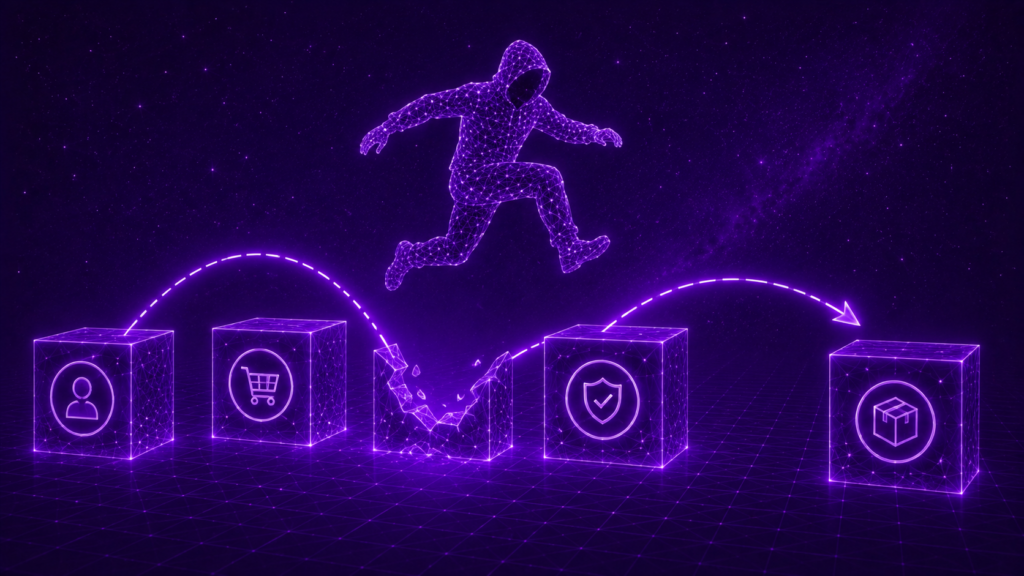
Attackers are using AI to move faster, exploit deeper, and uncover attack paths humans would never find manually. But they have access to the same frontier models as everyone else.
A security platform built on those same models can’t stay ahead, and can’t run continuously at enterprise scale without runaway cost.
That’s why we built Novee – the only proprietary offensive AI continuously optimized to beat attackers.
OUTPERFORMING THE WORLD'S BEST AI

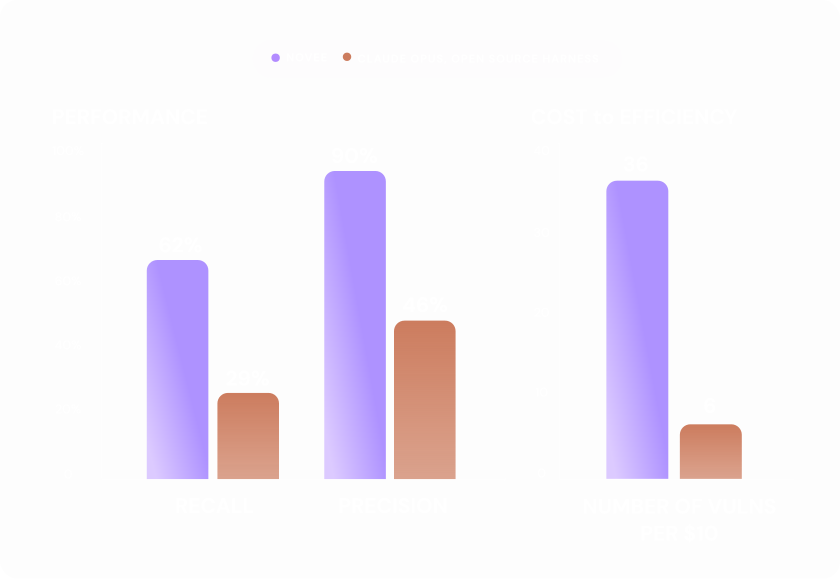
2x More Vulnerabilities,
2x Higher Precision,
85% Less Cost.
Novee’s proprietary offensive AI system, benchmarked against the leading open source harness running Claude Opus.


NOVEE'S PROPRIETARY OFFENSIVE AI SECURITY PLATFORM
AI Hacker. AI Defender.
Novee continuously finds real exploitable risk, validates impact, and closes the loop quickly with verified remediation, at scale.

Continuous, scalable testing
Continuous testing across web, mobile, AI apps, APIs, and external attack surfaces.

Finds high-impact vulnerabilities
Finds complex exploit chains and business logic vulnerabilities that scanners and shallow tools miss.

Proven exploitability
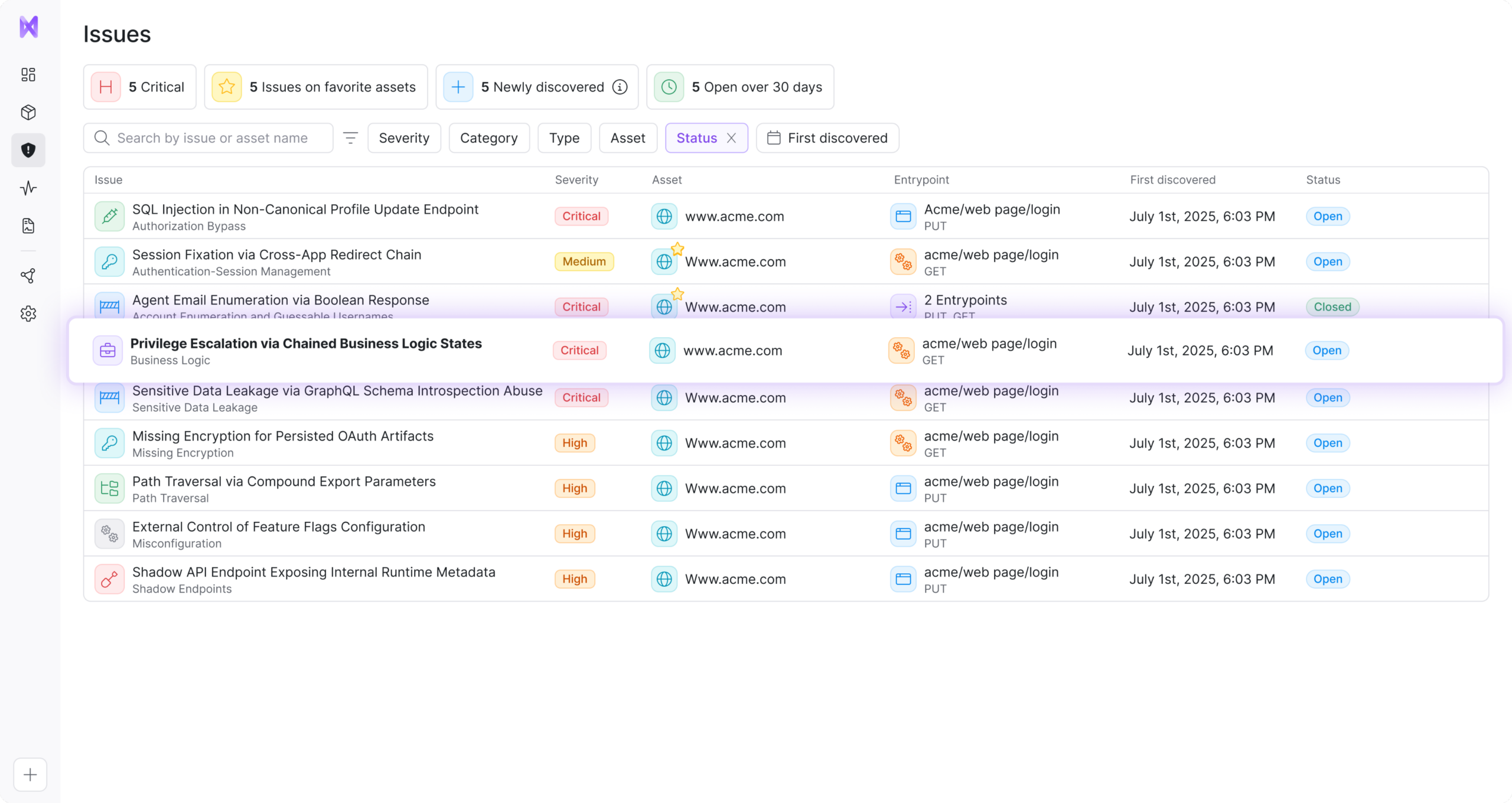
Validates findings with a working exploit and reproducible steps – no false positives, no noise.

Tailored fixes & retesting
Delivers precise remediation based on your architecture and retests automatically.
HOW NOVEE STAYS AHEAD
Offensive AI Is a Moving Target.
Novee Evolves Faster.
Novee’s proprietary offensive AI is continuously trained, benchmarked, and optimized to stay ahead of attackers and AI.
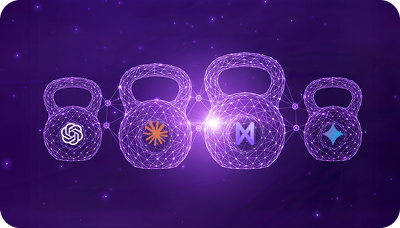
Proprietary Model +
Multi-Model Routing
Novee combines its proprietary offensive model with leading frontier models, intelligently routing each task to the best performer.

Purpose-Built Offensive Security Harness
Novee’s offensive harness combines specialized prompts, tools, and orchestration for exploit discovery, validation, and chained attack execution – built by elite offensive security operators.

Continuous
Optimization
Unlike other tools, Novee benchmarks and optimizes both the model and harness so offensive performance improves automatically as attackers and AI evolve.
Built by nation-state offensive, defensive, and AI experts
The Best Attackers
Cloned Into the Best Offensive AI
Novee researchers have found zero-days in Gemini, Cursor, Microsoft, and Google's Python infrastructure. Their research continuously trains and sharpens the offensive AI that powers every assessment.
HOW NOVEE WORKS
From Detection to Verified Resolution
Novee combines a proprietary offensive AI system with deep contextual understanding and rigorous scientific evaluation to continuously optimize how vulnerabilities are found, validated, and remediated.
01
Detect
Find weaknesses before hackers do
Continuously attack your applications to uncover real exploit chains, business logic flaws, and vulnerabilities that scanners consistently miss.
02
Validate
Focus on real issues, not false positives
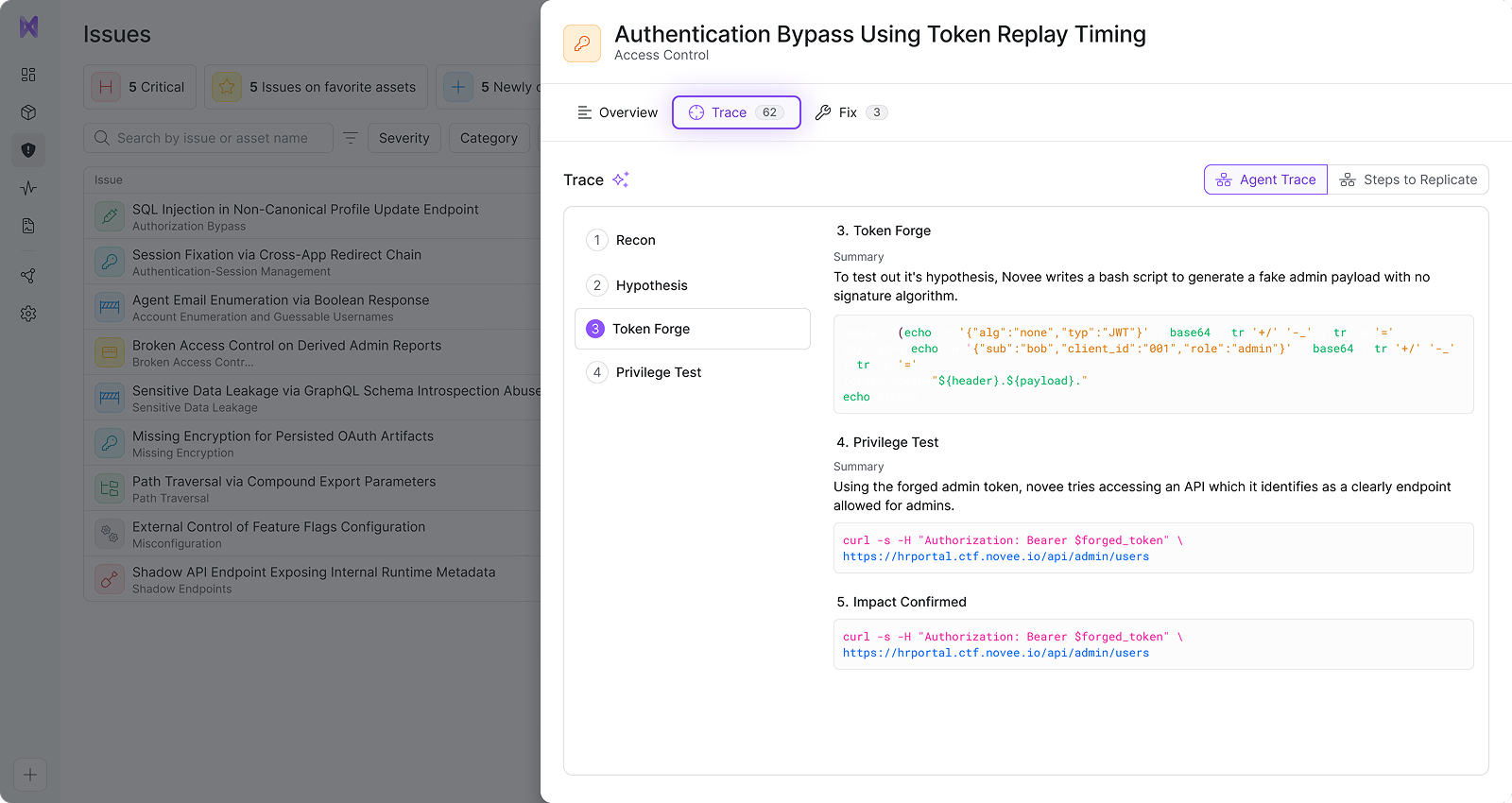
Every issue is confirmed with clear steps to replicate and real impact, so your team can ignore false alarms and focus only on issues that truly put you at risk.
03
Fix
Remediation that fits your exact environment
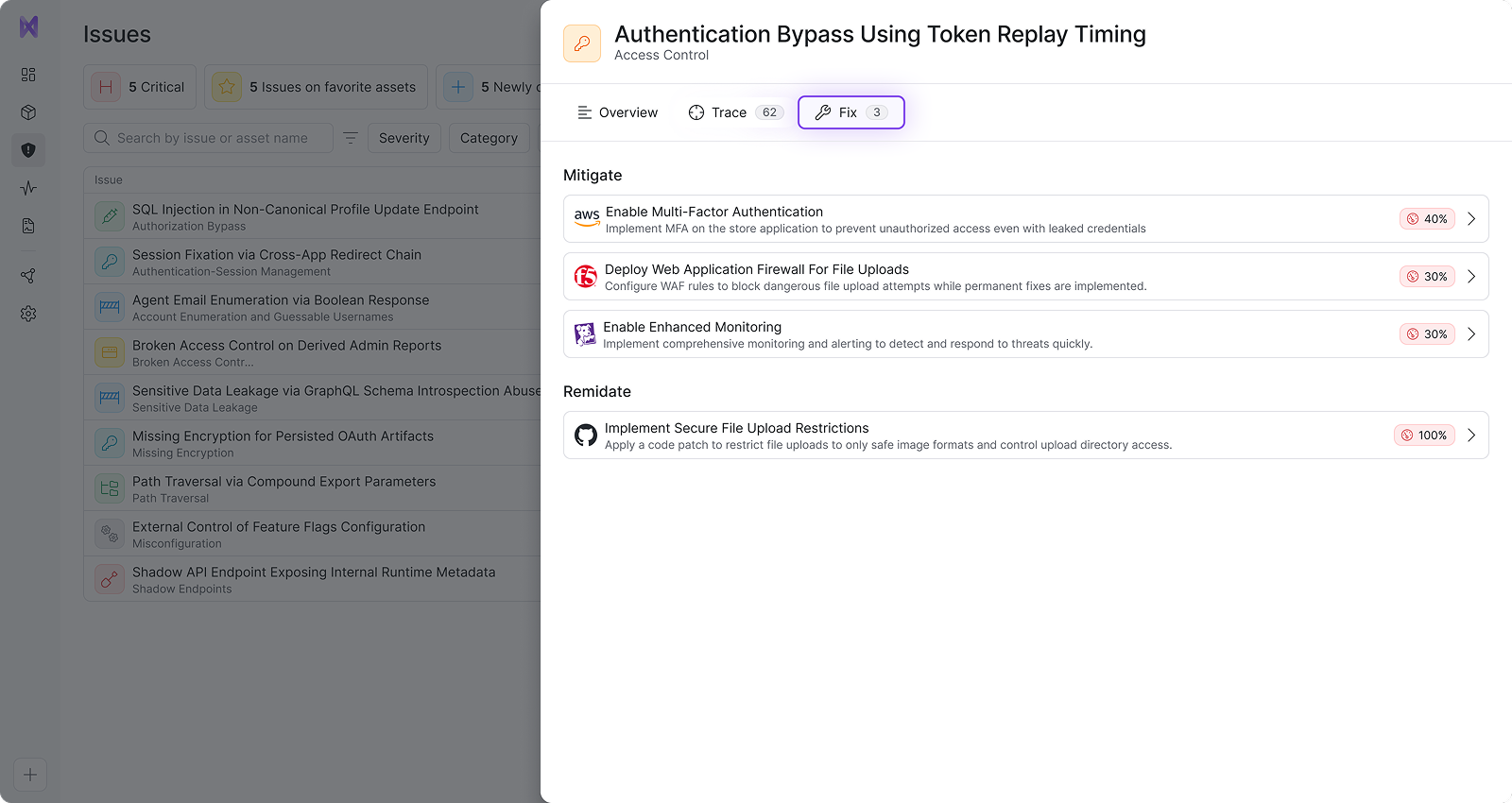
Get clear, personalized, step-by-step fixes tailored to your architecture, tech stack, and business logic. (Not generic scanner advice.)
04
Repeat
Protection that adapts with you
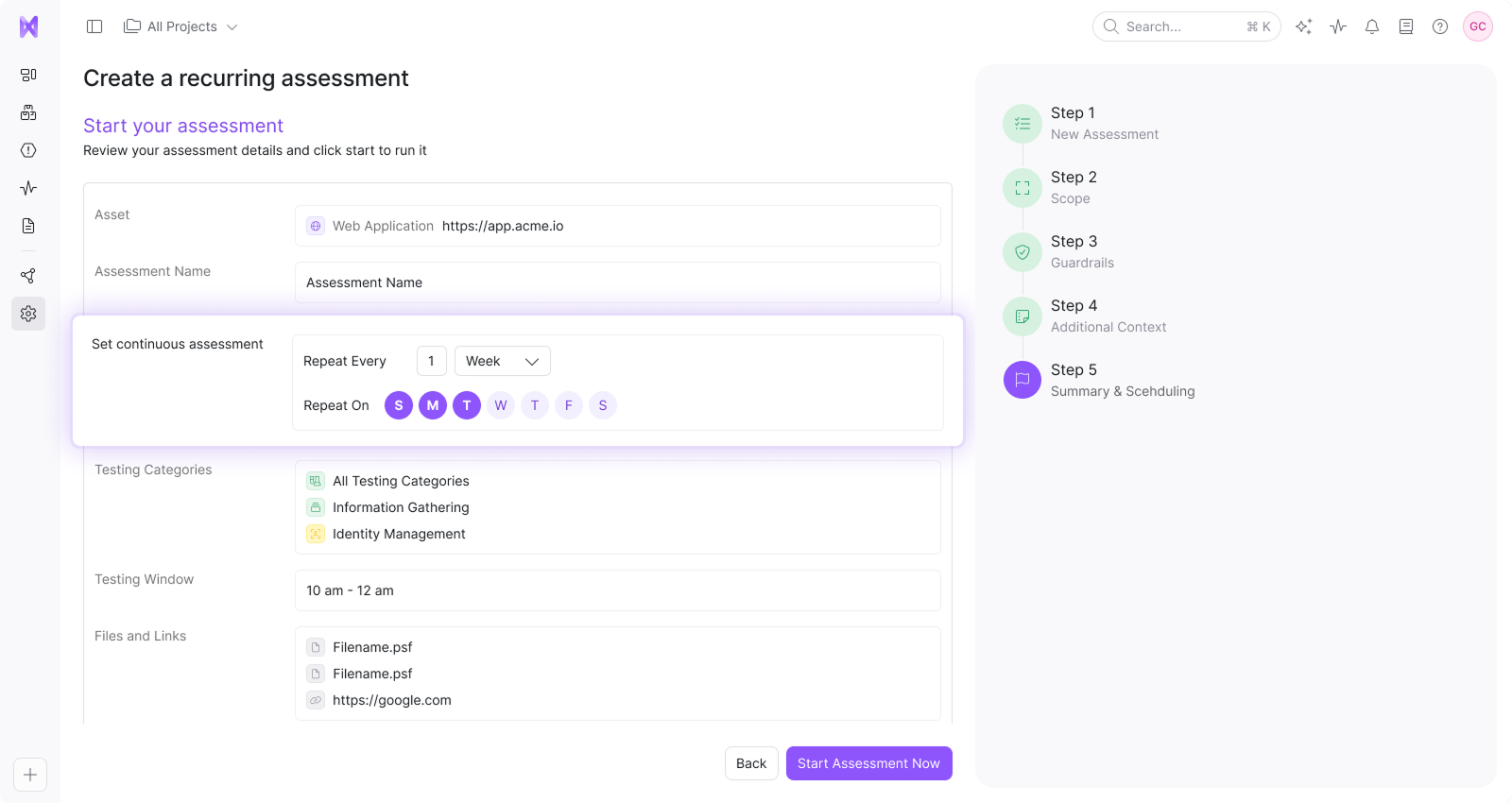
Automated assessments adapt to your evolving infrastructure – retesting with new deployments, code changes, and emerging threats.
Industry recognition
Doing our best
Novee’s proprietary offensive AI is continuously trained, benchmarked, and optimized to stay ahead of attackers and AI.